
The Future of Local Marketing: 7 Top Trends to Watch
In the rapidly evolving world of local marketing, staying ahead of the competition requires more than just keeping up with trends; it demands an.
Editorial Team
Heaviside Digital

In the rapidly evolving world of local marketing, staying ahead of the competition requires more than just keeping up with trends; it demands an understanding of advanced strategies and technologies that can provide a significant edge. As consumer behaviors shift and technology advances, local businesses must adapt to remain relevant and effective.
This article explores the cutting-edge trends that are shaping the future of local marketing and how you can implement them to gain a competitive advantage.
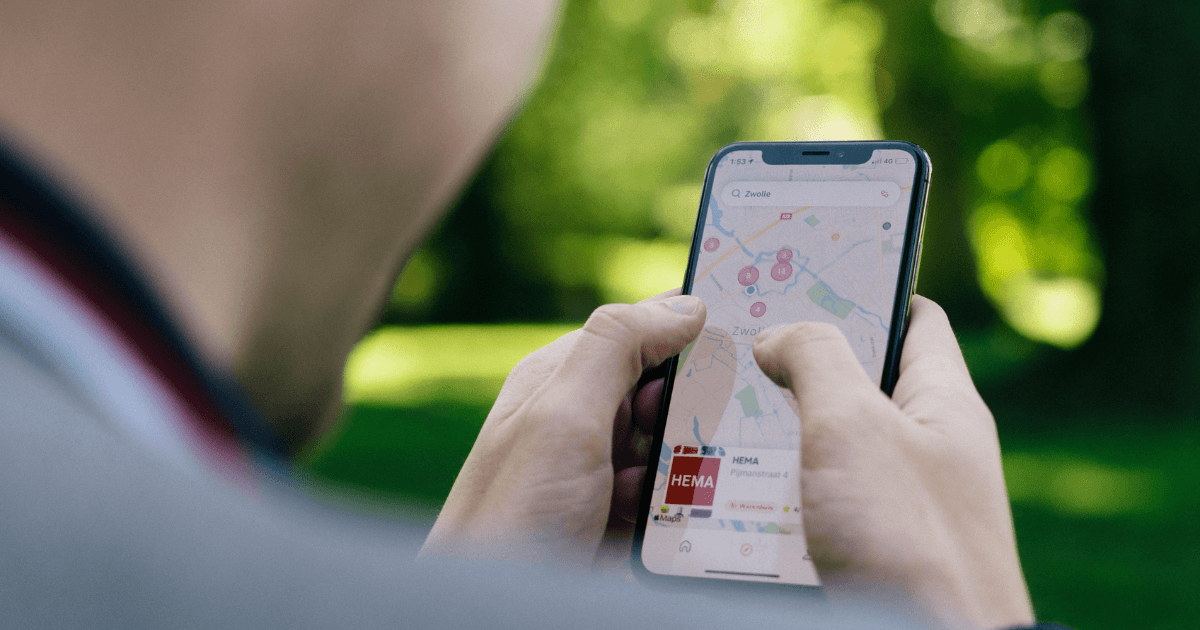
**1.Target Potential Customers with Geofencing** has revolutionized the way local businesses target customers. By setting up virtual boundaries around specific geographic areas, businesses can send targeted messages to consumers’ mobile devices when they enter these zones. This technology has evolved to offer even more precision and integration with other marketing tools. To leverage geofencing effectively, consider these advanced strategies:
Advanced Tips:
- Dynamic Geofencing: Adjust your geofences in real-time based on factors like weather conditions or local events. For example, if there’s a hailstorm approaching, you could target homeowners with offers for storm damage repair.
- Layered Targeting: Combine geofencing with demographic and behavioral data to create highly specific target segments. This ensures your messages are not only timely but also relevant to the recipient’s needs.
- Integration with CRM Systems: Use geofencing data to enhance your customer relationship management (CRM) system. By tracking customer visits and interactions within the geofence, you can tailor follow-up communications and offers more effectively.
Case Study: A local roofing contractor used geofencing to target homeowners in neighborhoods recently affected by a storm. By offering emergency roof repair services, they were able to secure multiple contracts within days.
2. Leverage AI and Machine Learning for Local SEO
Artificial intelligence (AI) and machine learning are transforming local SEO by enabling businesses to understand and predict search patterns more accurately. These technologies help optimize content, automate tasks, and enhance user experience, ultimately improving search rankings.
Advanced AI Tools for Local SEO:
- Content Optimization: Use AI-powered tools to analyze top-performing content for specific keywords and get recommendations for optimizing your own content. This includes suggestions for keyword placement, content structure, and readability.
- Predictive Analytics: Machine learning algorithms can analyze historical data to predict future search trends and consumer behavior. This allows you to stay ahead of the curve by creating content that aligns with upcoming trends.
- Voice Search Optimization: AI can help you optimize your content for voice search by understanding natural language patterns and identifying commonly used phrases in voice queries.
Real-World Example: A local plumbing company used AI-powered SEO tools to optimize their website for voice search. By incorporating natural language phrases and conversational keywords, they saw a 40% increase in website traffic from voice search queries within three months.
3. Optimize for Voice Search
We just can’t state this enough. The rise of voice search is reshaping how consumers find local businesses. With smart speakers and voice-activated devices becoming household staples, optimizing for voice search is crucial.
Techniques for Voice Search Optimization:
- Natural Language Processing: Use natural, conversational language in your content. Instead of targeting “best plumber NYC,” optimize for “where can I find a reliable plumber in New York City?”
- Featured Snippets: Aim for position zero by providing clear, concise answers to common questions related to your business. This increases the chances of your content being read aloud by voice assistants.
- Local Listings Optimization: Ensure your Google Business Profile and other local listings are fully optimized with accurate and up-to-date information, including operating hours, address, and contact details.
4. Personalize Your Marketing Efforts
Personalization has moved beyond basic segmentation to a more data-driven approach, offering hyper-personalized experiences that drive engagement and loyalty.
Strategies for Data-Driven Personalization:
- Behavioral Data Analysis: Collect and analyze data on customer behavior, preferences, and purchasing history to create personalized offers and recommendations.
- Predictive Personalization: Use predictive analytics to anticipate customer needs and present relevant products or services before they even ask.
- Dynamic Content: Implement dynamic content on your website and emails that changes based on the visitor’s behavior and preferences, providing a tailored experience.
Impact Example: A local HVAC company used data-driven personalization to send customized offers based on customers’ past purchases and visit frequency. This resulted in a 30% increase in repeat visits and a 25% boost in average transaction value.
5. Leverage Augmented Reality (AR) for Local Marketing
Augmented Reality (AR) is becoming more accessible and offers exciting opportunities for local businesses to engage customers. AR can enhance the shopping experience, provide virtual tours, and create interactive advertisements.
Innovative Uses of AR in Local Marketing:
- Virtual Store Tours: Allow potential customers to explore your showroom virtually, showcasing your products and promotions.
- Interactive Ads: Create AR ads that users can interact with, such as trying on virtual clothing or placing furniture in their home environment.
- Product Demos: Use AR to demonstrate how products work or fit into everyday life, providing a more immersive and informative experience.
Case Study: A local home improvement store implemented AR to allow customers to visualize different flooring options in their homes. This not only increased customer engagement but also led to a 20% increase in sales as customers felt more confident in their purchases.
6. Focus on Community-Centric Content
As consumers increasingly seek authenticity and connection, community-centric content marketing has gained traction. This approach focuses on creating content that resonates with local community values and interests.
Creating Community-Centric Content:
- Local Stories: Share stories that highlight local events, community members, and collaborations. This fosters a sense of community and positions your business as an integral part of the local area.
- User-Generated Content: Encourage customers to share their experiences and feature their content on your platforms. This not only builds trust but also creates a sense of belonging among your audience.
- Cause Marketing: Align your business with local causes and charities. Promote your involvement and encourage customers to participate, strengthening your community ties.
Examples of Success: A local landscaping company created a series of video interviews with local gardeners and community leaders, generating significant engagement and boosting in-store traffic by 20%.
7. Utilize Chatbots for Enhanced Customer Engagement
Chatbots are transforming customer engagement by providing instant, personalized interactions around the clock. This technology can significantly improve customer satisfaction and streamline business operations.
Leveraging Chatbots for Local Businesses:
- 24/7 Customer Support: Chatbots can handle inquiries and provide support at any time, ensuring customers receive timely responses without the need for human intervention.
- Personalized Interactions: AI-powered chatbots can analyze customer data to offer personalized recommendations and solutions, enhancing the customer experience.
- Lead Generation and Qualification: Chatbots can engage visitors on your website, answer initial queries, and qualify leads before passing them to your sales team, improving efficiency and conversion rates.
- Booking and Scheduling: Implement chatbots to manage appointments and reservations, reducing administrative workload and minimizing errors.
Case Study: A local HVAC company implemented a chatbot to handle service calls and answer common customer questions. This not only improved customer satisfaction but also freed up staff to focus on providing better in-person service. The chatbot successfully managed over 60% of incoming inquiries, leading to a 15% increase in overall customer engagement.
Staying ahead in local marketing requires continuous adaptation and implementation of advanced strategies. By embracing hyperlocal targeting, AI-driven SEO, voice search optimization, AR, data-driven personalization, community-centric content, and chatbots, local businesses can secure a competitive edge and build lasting relationships with their customers. Keep learning, stay innovative, and watch your local business thrive in the ever-evolving marketing landscape.
**Ready to take your local marketing to the next level? **
Share this article
Help others discover this content
About Heaviside Digital
We help local businesses get found in search and make it easier for a website visitor to contact them. Our work also covers advertising and the follow-up that turns a new lead into a conversation.
Learn more about usContinue Reading
What a Local Rank Grid Actually Tells You About Google Maps
One map ranking can look fine while most of your service area cannot find you. Learn how to read a local rank grid and choose the next action.

How to Use AI Tools to Save Time on Marketing Without Losing Your Voice
Discover how digital marketing agencies can harness AI to draft campaign copy and repurpose client wins faster without producing bland, cookie-cutter content that alienates prospective clients.
Answer Engine Optimization — The SEO Strategy Nobody Is Talking About Yet
For agencies helping local brands scale, traditional SEO tactics are missing half the equation. Dive into Answer Engine Optimization (AEO) tailored for digital marketing firms, and learn how to optimize your agency's online presence to be cited directly by ChatGPT and Google Overviews.